


A professional organization dedicated to translating scientific knowledge from the field of prevention science into effective and sustainable practices, systems and policies.
Virtual Congressional Briefing Series
Protecting Federal Leadership in Addiction Science and Public Health
The Addiction Science Defense Network (ASDN) hosted a series of six congressional briefings on the critical importance of sustained federal support for addiction research, prevention, treatment, and recovery services.
Addiction remains a profound public health challenge, touching every community and family across the US. While the costs—social, economic, and personal—are immense, so too are the opportunities before us. Groundbreaking research continues to reveal the complex biological, psychological, and social factors driving substance use disorders. This body of research has led to:
-
development of more effective treatments and prevention programs,
-
increasingly accurate identification of the predictors of substance use and dependence,
-
a better understanding of how different people are likely to respond to interventions so they can be more appropriately treated, and
-
knowledge about the risk factors for relapse so we can intervene and provide support.
In essence, through continued federal leadership and investment, our nation has been making significant strides toward preventing youth substance use and improving the lives of individuals with addiction and their families.
ASDN—comprised of scientists, practitioners, educators, clinicians, community advocates, and people with lived experience—advocates to preserve funding for federal agencies that serve as the backbone of our nation’s efforts to address our substance use disorder crises through research and the development of evidence-based programs and policies. We are also urging that the federal government scale up supports for States and Communities to be able to reliably deliver needed programs and services.
Watch the Replays
Part I – Federal Response to Addiction in the U.S.
January 13, 2026 | Download Presentation Slides
Speakers covered the impact of addiction on public health, the indispensable roles of the CDC and SAMHSA in combating substance use disorders by supporting treatment and prevention services, and the economic and human consequences of underfunding for states and constituents.
Part II – Scientific Foundations for Our Response to Addiction
January 5, 2026 | Download Presentation Slides
Speakers highlighted ongoing and future scientific advancements in addiction research, showcased NIH’s role in developing new treatments and preventive interventions, and emphasized the importance of ongoing federal leadership and investment in addiction science and services.
Part III – Connecting Addiction Science to Public Health Policy
February 25, 2026 | Download Presentation Slides
Speakers bridged scientific research with impactful public health policy, aiming to create a more effective and efficient system of services. The discussion addressed the critical question: Do investments in research and evidence-based programs make a difference in public health outcomes?
Part IV – The Promise of Prevention to Address Addiction
April 15, 2026 | Download Presentation Slides
Speakers showcased how prevention research has led to a better understanding of the causal mechanisms of substance misuse and addiction, leading to the development of programs, policies, and practices to prevent pathways to substance use in our youth.
Part V – The Importance of Community Engagement to Reduce Substance Use and Promote Community Well-Being
June 4, 2026 | Download Presentation Slides
Speakers focused on the essential role that community involvement plays in advancing research related to substance use prevention, intervention, and recovery. Drawing on diverse expertise, the session highlighted how engaging communities not only enhances the relevance and effectiveness of research but also ensures that policies and interventions are culturally responsive and sustainable.
Part VI – The Aftermath: A Whole of Society Approach to Substance Use
September 16, 2026 | Download Presentation Slides
Speakers explored what a whole of society approach to substance use could look like in practice. Drawing on perspectives from addiction science, policy, and the Alberta Family Wellness Initiative, the session highlighted how a shared understanding of brain development can support system transformation—connecting work across sectors and shifting policy and practice to address root causes rather than symptoms.
Explore the Brain Story and Resilience Scale
-
The Brain Story — An overview of the Brain Story metaphors
-
Brain Story and Resilience Scale Framework — Reports on applying the framework with individuals, organizations, and systems
-
Evaluating Implementation of the Brain Story and Resilience Scale Framework — Evaluation report
-
The Future Is Now: Mobilizing Knowledge, Data & Tools to Enable System Transformation — Event report
Browse the full Alberta Family Wellness Initiative resource library.
Why Watch the Series?
Federal leadership is essential to maintaining the scale, consistency, and vision necessary to address the complex challenge of addiction. Across six briefings, experts share data and real-world stories illustrating why robust support for NIH, CDC, and SAMHSA is vital to saving lives, fostering innovation, and promoting recovery nationwide. The recordings offer members of Congress, their staff, agency officials, national and community organizations, media, and the public a chance to hear these perspectives.
Watch the series to learn what sustained federal investment in addiction science and services makes possible—and why protecting that investment matters to the health and well-being of millions of Americans.
Speakers & Overview: Past Sessions
Part I – Federal Response to Addiction in the U.S.

Remarks from Congressman
Representative Paul Tonko (D-NY), Chair of the Addiction Treatment and Recovery Caucus

Moderator for ALL sessions: Diana Fishbein, PhD, Nova Scholar and Senior Scientist, FPG Child Development Institute, University of North Carolina and President, National Prevention Science Coalition to Improve Lives
Overview: Costs of addiction, the larger context of general mental and physical health, why it’s a major public health problem, and the criticality of prevention and treatment services
Dr. Fishbein, Nova Scholar, is the Director of the National Prevention Science Coalition to Improve Lives (NPSC), a senior scientist in the FPG Child Development Institute at UNC-Chapel Hill, and part-time research faculty at Penn State. Her expertise is in the fields of neuroscience, behavioral science, and prevention of substance abuse and related high risk behaviors, supported by the National Institutes of Health (NIH) and other federal agencies and foundations, to determine impacts of deleterious social contextual factors (e.g., adverse childhood experiences - ACEs) on brain development and behavioral/mental health in children and adolescents. Dr. Fishbein’s research supports the premise that underlying neurobiological mechanisms interact with the quality of our psychosocial experiences and environmental contexts to alter trajectories either towards or away from risk behaviors, and how compensatory mechanisms can be strengthened through implementation of primary prevention strategies. A wide range of approaches are applied toward equipping local, state, and federal organizations and agencies with the tools to implement, sustain and scale evidence-based, trauma-informed practices and policies to prevent poor outcomes and promote health and wellbeing in children and families, thereby reducing SUD and related problems. She founded and directs the NPSC, a large professional organization dedicated to the transfer of knowledge from this science to public health policies. As such, Dr. Fishbein has been intensively involved at the policy level in advising legislators, state and federal agencies, national organizations and other entities regarding policies and practices shown to avert trajectories away from SUD.

Co-Moderator: Vanessa Morales, Doctoral Candidate, University of Miami, Maternal and Child Health Fellow, American Public Health Association, and Intern, National Prevention Science Coalition to Improve Lives
Vanessa Morales is a doctoral candidate in Prevention Science and Community Health at the University of Miami, graduating in May 2027. Her dissertation examines how adolescents’ social and environmental contexts cumulatively shape their risk for developing obesity using longitudinal and machine learning approaches. She is Treasurer of the Latino Caucus for Public Health (LCPH), a Maternal and Child Health Fellow with the American Public Health Association (APHA), and an intern with the National Prevention Science Coalition (NPSC). Vanessa is also a co-author on the Addiction Science Defense Network’s latest Impact Report, which examined the impact of the Trump Administration’s first nine months on addiction science and practice.

Paolo del Vecchio, Recovery Champion and former Director SAMHSA Office of Recovery
“From Personal Impact to Policy Solutions”
Overview: Personal journey of recovery from addictions and mental health conditions and lessons learned from a 30-year federal career with SAMHSA as a senior leader in fostering long term recovery.
Paolo del Vecchio, M.S.W, a person in long-term recovery from mental health and addictions, has been a leader in the peer recovery movement for 40 years. He recently completed a 30- year career at the US Department of Health and Human Services Substance Abuse and Mental Health Services Administration (SAMHSA) where he served in multiple roles including the Director of the Center for Mental Health Services and the founding Director of the Office of Recovery. Paolo is now an independent advocate to advance recovery-oriented policies and practices on national and international levels.

Debra Houry, MD, MPH, Principal, DH Leadership and Strategy Solutions; former CDC Chief Medical Officer
“The Important Federal Role in Guiding State and Local Efforts to Combat Substance Misuse”
Overview: How CDC’s support to states and communities, surveillance systems, prevention programs, and rapid response initiatives are essential in reducing substance use, overdoses, and guiding public health action at state and local level.
Debra Houry, MD is a nationally recognized physician and public-health executive with nearly three decades of leadership spanning federal government, academia, nonprofit organizations, and frontline emergency medicine. Through her current LLC, she is a senior advisor to governors, states, and regional organizations on health policy and access, data modernization, preparedness, and incorporating technology into health systems. As the former Chief Medical Officer and Acting Principal Deputy Director of the Centers for Disease Control and Prevention (CDC), she guided the agency’s scientific and programmatic direction, overseeing a $6B portfolio across nine National Centers and more than 10,000 staff. She led agency enterprise risk management efforts and co-chaired the working capital fund, prioritizing business services efficiencies to reduce costs. She represented CDC before the White House, Congress, and Fortune 100 CEOs—helping restore trust, align stakeholders, and navigate the agency through political transition and national crises. Previously, as Director of CDC’s National Center for Injury
Prevention and Control, she stood up the national Overdose Data to Action program, led changes to timely and accessible data as the drug overdose epidemic evolved, and brought the Drug Free Communities work to the agency.

Kevin Shield PhD, Senior Scientist, Institute for Mental Health Policy Research
“Protecting the Public’s Health through Evidence-Informed Policy”
Overview: Multidisciplinary public health surveillance research programs generate scientific data to inform individuals, clinicians, and policymakers on how to mitigate the public health harms caused by alcohol and other drugs.
Kevin Shield, PhD, is a Senior Scientist and Head of the Pan American Health Organization Collaborating Centre at the Centre for Addiction and Mental Health. Dr. Shield leads monitoring efforts on alcohol and drug misuse and their associated harms in the Americas and globally. His research evaluates the effectiveness of public health policies, such as taxation, screening and brief interventions, and expanding access to pharmaceutical treatments for alcohol and drug use disorders, in reducing alcohol- and drug-related harms. By integrating biological and population-level data, he identifies the mechanisms through which substance use contributes to disease risk and examines whether the relationships between alcohol and drug use and a wide spectrum of diseases, including cancers, cardiovascular conditions, liver disease, infectious diseases, and mental health disorders, are causal. His work on the health impacts of alcohol use at the individual level has informed national guidelines in numerous countries, equipping the public with evidence-based information on how alcohol consumption affects health based on personal circumstances. By translating complex evidence into practical guidance, Dr. Shield helps governments strengthen health systems and safeguard communities from the consequences of substance use.

Jeremy Bray, PhD, Professor, University of North Carolina-Greensboro
“Economic and Public Health Benefits of Funding for States and Constituents”
Overview: The role of federal research investment in promoting economic growth, creating private sector jobs, and spurring technological innovation, and the risks posed to our nation’s health, safety, and prosperity if federal support for these agencies is diminished, including the burden to taxpayers from increased healthcare, crime, and other costs.
Jeremy Bray, PhD is the Forsyth Medical Center Distinguished Professor of Economics in the Bryan School of Business and Economics at UNC Greensboro. He conducts research on the economics of health behaviors, with a primary focus on the economic evaluation of behavioral health and workplace interventions. For nearly three decades he has conducted economic evaluations of screening, brief intervention, and referral to treatment (SBIRT) programs and provided policy-relevant evidence supporting their ongoing development and adoption worldwide. He has also conducted economic evaluations of workplace programs for over 30 years, providing evidence to policymakers and employers that has improved the health and wellbeing of the American workforce. His work has had a profound impact on public health by supporting the resource allocation decisions of federal, state, local, and workplace policymakers, both nationally and internationally.
Part II – Scientific Foundations for Our Response to Addiction

Remarks from Congressman
Congressman Bill Foster is a scientist and businessman representing the 11th Congressional District of Illinois, a position he’s held since 2013. He also represented the 14th Congressional District of Illinois from 2008 to 2011. He is the only PhD physicist in Congress. He was a member of the team that discovered the top quark, the heaviest known form of matter.
Congressman Foster serves on the House Financial Services Committee and is the Ranking Member of the Subcommittee on Financial Institutions and Monetary Policy. Previously, he served on the House Science, Space, and Technology Committee where he fought for evidence-based policies and forward-thinking approaches to some of our country’s most pressing issues, including climate change and energy innovation. The Congressman continues to be a champion for sustained federal funding for scientific research.

Keynote: Vani Pariyadath, PhD (formerly with NIDA/NIH)
Overview: The impact of NIH, particularly NIDA and NIAAA, in advancing our understanding of addiction, developing new treatments and preventive interventions, and supporting research that addresses the biological, psychological, and social drivers of substance use disorders.
Vani Pariyadath, Ph.D., most recently served as Chief of the Behavioral and Cognitive Neuroscience Branch at the National Institute on Drug Abuse (NIDA), National Institutes of Health (NIH). In that role, she led a multidisciplinary team overseeing a research grants portfolio, including large-scale initiatives such as the NIH HEALthy Brain and Child Development Study. She was also involved in multiple key programs such as the NIDA Racial Equity Initiative, the NIH BRAIN initiative, and the NIH Adolescent Brain and Cognitive Development Study. She brings deep experience in how federal research investments in neuroscience and behavior are designed, governed, and translated into real-world impact for people with substance use
disorders. Vani resigned from her role at NIDA in June 2025 and has written about the potential impact of recent changes in NIH priorities here and here.

Hedy Kober, PhD (Professor, Department of Psychology, University of California, Berkeley)
"Drug craving: From basic science to treatment development"
Overview: Clinical Perspective: Establishing biomarkers for phases within SUD using human imaging, cognitive, and psychological data, with applications to innovative treatments.
Dr. Hedy Kober is a Professor of Psychology at UC Berkeley, also appointed at the Helen Wills Neuroscience Institute. Until recently, she was Associate Professor of Psychiatry, Psychology, and Neuroscience at Yale University. Dr. Kober completed her BA, MA, MPhil, and PhD in Psychology at Columbia University, with a focus on Affective Neuroscience. At both Yale and Berkeley, her laboratory has focused on substance use disorders – the most prevalent, costly, and deadly psychiatric disorders. Dr. Kober’s research has been funded by numerous NIH grants, has been published in high-impact journals, and has been very well cited. She has also won numerous awards and fellowships, including a NIDA/NIAAA Early Career Investigator Award, an Early Career Investigator Award from College on Problems of Drug Dependence (CPDD), an Outstanding Mentor Award from the American Academy of Child and Adolescent Psychiatry, the Jacob P. Waltezky award from the Society for Neuroscience, and most recently, the Mid-Career Trajectory Award from the Society for Affective Science. Notably, Dr. Kober also completed a re-specialization in clinical psychology, and is a licensed clinical psychologist.

Hugh Garavan, PhD (Professor of Psychiatry and Professor of Psychology, University of Vermont)
"Addiction risk factors and consequences – insights from large longitudinal studies"
Overview: Dr. Garavan will discuss the purposes, findings to date, and implications for predicting and preventing substance use from the largest and longest neuroimaging study of adolescents in history: the NIDA-funded Adolescent Brain Cognitive Development (ABCD) study. He will also explain how large neuroimaging studies of adult users enable us to observe changes in the brain over time to gain insight into the progression of substance use disorders and their impact on cognitive and behavioral outcomes.
Hugh Garavan Ph.D is a Professor in the Department of Psychiatry at the University of Vermont. He received his PhD in Cognitive Psychology and Behavioral Neuroscience from Bowling Green State University in Ohio, completed postdoctoral fellowships at Cornell University and the Medical College of Wisconsin, and was an Associate Professor in Psychology at Trinity College Dublin prior to his move to Vermont in 2011. His research uses structural and functional neuroimaging to study cognitive control and reward processes with a particular focus on adolescent development, addiction and related mental health issues. He is a co-investigator on the IMAGEN project, a longitudinal neuroimaging-genetic study of over 2,000 teens in Europe. He is a site PI and Associate Director of both the Adolescent Brain Cognitive Development study, a longitudinal neuroimaging-genetic study of over 11,000 children in the USA and the Healthy Brain Child Development study, a longitudinal study of over 7,000 pregnant people and their children from birth to age 10. He is PI on a T32 focused on complex systems methodologies for large neuroimaging datasets, is co-PI on two R25 grants that provide training on the ABCD and HBCD datasets to junior investigators and is co-founder of the ENIGMA-Addiction working group which is a global neuroimaging data pooling endeavor.

Martin Paulus, MD (Scientific Director and President, Laureate Institute for Brain Research in Tulsa Oklahoma; Adjunct Professor of Psychiatry, UC San Diego; Professor of Neuroscience, University of Tulsa; Professor of Psychiatry, University of Oklahoma Health Sciences, Tulsa Campus)
"More Than Just Neurons: The Surprising Role of the Immune System in Opioid Addiction"
Overview: Opioid use disorder is a widespread health crisis, and while most research focuses on brain neurons, we are investigating the role of astrocytes, which are crucial brain support cells linked to immune function and addiction behaviors. Using a novel technical approach, our group at the Laureate Institute for Brain Research have isolated tiny particles called extracellular vesicles that are released by these astrocytes into the bloodstream, effectively creating a non-invasive "window" to study brain biology. By comparing the proteins found inside these particles from patients with opioid use disorder versus healthy individuals, the study identified distinct differences suggesting that addiction involves increased inflammation and disrupted immune regulation in the brain. These findings highlight a biological link between the immune system and addiction, potentially opening the door for new treatments that target these specific neuroimmune mechanisms.
Martin P. Paulus, MD, is Scientific Director and President of the Laureate Institute for Brain Research (LIBR) and holds academic appointments including Adjunct Professor of Psychiatry at UC San Diego and Professor of Neuroscience at the University of Tulsa. His work integrates computational modeling, multimodal neuroimaging, and interoceptive science to identify neural mechanisms of anxiety, depression, and substance-use disorders and to develop predictive biomarkers supporting personalized psychiatry. He is Deputy Editor of JAMA Psychiatry and has authored more than 770 publications with a Google Scholar h-index of 132.

Henry Kranzler MD, Karl E. Rickels Professor of Psychiatry and Director of the Center for Studies of Addiction, University of Pennsylvania Perelman School of Medicine:
"Pharmacotherapy of Addiction: Where Do We Go From Here?"
Overview: The presentation will discuss a new generation of medications approved for treating alcohol, opioid, and tobacco use disorders which tend to be under-prescribed, and promising drugs in development.
Henry Kranzler, MD, is the Karl E. Rickels Professor of Psychiatry and Director of the Center for Studies of Addiction at the University of Pennsylvania Perelman School of Medicine. His research focuses on the genetics, neuroimaging, and treatment of substance use disorders, including pharmacogenetics. His work has been supported by the NIH and VA since 1987 and has yielded more than 700 publications.
Part III – Connecting Addiction Science to Public Health Policy

Opening Remarks
Rob Vincent is a U.S. Navy Desert Storm veteran and senior public‑sector executive with 38 years of leadership across education, behavioral health, and federal policy. As the Associate Administrator for Alcohol Prevention and Treatment Policy at SAMHSA, he provided national leadership on alcohol policy, interagency coordination, and evidence‑based prevention and treatment strategies. His portfolio included advising governors’ offices, state agencies, and federal partners; managing more than $200 million in public contracts; and leading initiatives that strengthened state and local capacity in prevention, early intervention, and treatment.

Co-Moderator, NPSC Intern
Paige Marsland is a postdoctoral researcher at Binghamton University in the Varodayan Lab, where her work focuses on understanding how adolescent alcohol exposure shapes neural circuit function across the lifespan. Paige completed her undergraduate degree with honors at the University at Buffalo, followed by her masters and PhD at Binghamton University. Alongside her bench research, Paige is the founder of Bite Size Neuro, a volunteer science communication initiative dedicated to increasing science literacy in schools and community organizations. Through Bite Size Neuro, she translates complex neuroscience concepts into accessible content for general audiences, with a particular focus on engaging students in scientific thinking and inspiring interest in research and science.

Brian King, PhD, MPH, Executive VP for U.S. Programs, Campaign for Tobacco-Free Kids
"Translating Science to Action: Lessons from Tobacco Control"
Overview: Decades of rigorous research have shown that comprehensive, evidence-based tobacco control strategies reduce tobacco use, prevent disease, and save lives when implemented at scale. Federal infrastructure is essential to translate this evidence into nationwide impact by providing coordination, technical, and financial support that ensures these proven interventions are implemented broadly across all states.
Brian King, PhD, MPH, was the Director of the Center for Tobacco Products at the U.S. Food and Drug Administration (FDA). Prior to joining FDA, he served as the Deputy Director for Research Translation in the Office on Smoking and Health (OSH) at the Centers for Disease Control and Prevention (CDC). Dr. King joined the CDC in 2010 as an Epidemic Intelligence Service Officer, before which he worked as a Research Affiliate in the Division of Cancer Prevention and Population Sciences at Roswell Park Comprehensive Cancer Center in Buffalo, New York. Dr. King has worked for over 20 years to provide sound scientific evidence to inform tobacco control policy and to effectively communicate this information to key stakeholders, including decision makers, the media, and the general public. He has authored or co-authored
over 225 peer-reviewed scientific articles pertaining to tobacco prevention and control, was the lead author of CDC’s 2014 update to the evidence-based state guide, “Best Practices for Comprehensive Tobacco Control Programs,” and was the Senior Associate Editor of numerous U.S. Surgeon General's Reports on tobacco. Dr. King holds a PhD and MPH in Epidemiology from the State University of New York at Buffalo.

Tim Naimi, MD, MPH (Board Certified in internal medicine, pediatrics, and preventive medicine), Director of University of Victoria’s Canadian Institute for Substance Use Research & Professor in Division of Medical Sciences, formerly with Boston Medical Center & Professor at Boston University Schools of Medicine and Public Health
"Return on Investment: How Epidemiology and Policy Studies Reduce Harms from Substance Use"
Overview: Health effects of alcohol and alcohol policy, marketing controls, availability restrictions, and taxation and pricing policies.
Timothy Naimi MD, MPH is currently the Director at the Canadian Institute for Substance Use Research and Professor in the School of Public Health and Social Policy at the University of Victoria in Victoria, BC, Canada. He received his bachelor’s degree from Harvard College, his M.D. degree from the University of Massachusetts, and his M.P.H degree from the Harvard School of Public Health. He completed a combined
internal medicine-pediatrics residency program at Massachusetts General Hospital, the Epidemic Intelligence Service program with the Centers for Disease Control and Prevention (CDC), and a Preventive Medicine Residency with CDC. He has worked as a physician for the U.S. Indian Health Service, and as a senior epidemiologist with the Alcohol Team at CDC, and a professor in the Boston University Schools of Public Health and Medicine. His research interests include alcohol epidemiology, the health effects of
substance use, and the impact of alcohol and cannabis policies.

Traci Toomey, PhD, Director of the School of Public Health Cannabis Research Center and the Alcohol Epidemiology Program at the University of Minnesota
"Importance of research to inform cannabis policy and implementation"
Overview: Cannabis policies and implementation, retail environments,
legislative and community outreach
Dr. Toomey is a behavioral epidemiologist who is an expert in public health policy, with a particular expertise in substance use control policies. She has served as the principal investigator or co-investigator of nearly 40 externally-funded research studies focusing on substance use (alcohol, cannabis, tobacco). Dr. Toomey is the director of the University of Minnesota School of Public Health Cannabis Research Center. Dr. Toomey is also the director of the Alcohol Epidemiology Program (AEP) at the University of Minnesota. Her research has been funded by the National Institutes of Health, Department of Defense, Centers for Disease Control and Prevention, Insurance Institute for Highway Safety, and Robert Wood Johnson Foundation. Dr. Toomey’s research expertise has been instrumental in many community outreach efforts. She has served: (1) on Mothers Against Drunk Driving (MADD) Board of Directors, (2) as a consultant for the Congress for the Sober Truth on Preventing Underage Drinking (STOP) Act, (3) on the Advisory Board for the U.S. Alcohol Policy Alliance (Co-chair), (4) on the Coordination Team of the CDC Guide to Community Preventive Services Alcohol Initiative, and (5) on the Center for Advancing Alcohol Science to Practice core team.

Jonathan Caulkins, PhD, H. Guyford Stever University Professor of Operations Research and Public Policy at Carnegie Mellon University's Heinz College and a member of the National Academy of Engineering
"Opportunities for Studying Drug Supply"
Overview: Research on effectiveness of supply control measures used in drug policy and their potential impact on mortality and morbidity.
Jonathan P. Caulkins is the Stever University Professor of Operations Research and Public Policy at Carnegie Mellon University's Heinz College and a member of the National Academy of Engineering. Dr. Caulkins specializes in systems analysis of the supply chains supporting illegal markets, particularly problems pertaining to drugs, crime, terror, and prevention. Issues surrounding opioid markets and regulation, COVID-19 and cannabis legalization have been a focus in recent years, including co-authoring Marijuana Legalization: What Everyone Needs to Know (Oxford University Press). Dr. Caulkins is a past Co-director of RAND's Drug Policy Research Center, founding Director of RAND’s Pittsburgh office and continues to work through RAND on a variety of projects. The views Dr. Caulkins will offer are his own, and do not represent those of Carnegie Mellon, RAND, or any other institution with which he is affiliated.

Traci Green, PhD, MSc, Professor and Director of the Opioid Policy Research Collaborative, Brandeis University; Co-Director of the COBRE on Opioids and Overdose at Rhode Island Hospital, Brown University Health
"From Data to Action: How research on drug related harms slows epidemics, empowers communities and changes policy"
Overview: Research on and translation of opioid overdose prevention, medication treatment innovations, criminal justice and pharmacy-based interventions to change policy and save lives.
Dr. Green is an epidemiologist whose research focuses on drug use, opioid use disorder, and drug-related injury. She earned a Master of Science in Epidemiology and Biostatistics from McGill University and a PhD in Epidemiology from Yale University. She is Professor and Director of the Opioid Policy Research Collaborative at Brandeis University where she oversees research on the drug supply, overdose prevention, and risk mitigation following law enforcement and policy actions. She also co-directs the Center of Biomedical Research Excellence (COBRE) on Opioids and Overdose at Rhode Island Hospital and is an Adjunct Professor of Emergency Medicine and Epidemiology at the Warren Alpert School of Medicine at Brown University and the Brown School of Public Health. Dr. Green created the web app platform www.streetcheck.org to support the growth and excellence of community drug checking. She helped co-found www.prescribetoprevent.org for prescribers and pharmacists and its companion site
www.prevent-protect.org for families, patients, and community organizations to improve naloxone access.
Part IV – The Promise of Prevention to Address Addiction
Keynote
Zili Sloboda, ScD, President, Applied Prevention Science International
"The Promise of Prevention to Address Addiction"
Overview: The full spectrum of the science and practice (from prevention and risk reduction to treatment and recovery) as it applies to substance use and addiction.

Zili Sloboda, ScD. is President of Applied Prevention Science International. She was trained in medical sociology and epidemiology. Her research included substance use epidemiology, services research, and the evaluation of treatment and prevention programs. Her current focus is on workforce development in the area of prevention and the relationship between training and the implementation of evidence-based prevention interventions and policies. She has served on the faculties of Johns Hopkins University Bloomberg School of Public Health, the University of Illinois School of Public Health, and The University of Akron. Prior to this last position, Dr. Sloboda worked for twelve years at the National Institute on Drug Abuse in several capacities, finally as the Director of the Division of Epidemiology and Prevention Research. She was a founder of the U.S. and E.U. Societies for Prevention Research and is well-published in the area of drug abuse epidemiology and substance use prevention. Her most recent contribution to the prevention science literature is the series Advancing Prevention Science. She has a commitment to the dissemination of evidence-based programming and has worked with the United Nations Office on Drugs and Crime to develop international standards for drug use prevention based on research evidence, and as an advisor to the U.S. Prevention Technology Transfer Centers.

Linda Richter, PhD, Senior Vice President of Prevention Research and Policy, Partnership to End Addiction
"Moving Upstream: Bringing an Earlier and Broader Research-Based Approach to Prevention"
Overview: We’ve made major progress in substance use prevention in recent decades by taking an earlier and more comprehensive approach and emphasizing research-based strategies. Youth substance use is declining, and more young people are choosing not to use substances at all. But today’s substance use landscape is far more dangerous than ever before, making it critical to invest in effective prevention, maintain strong national surveillance of trends and emerging threats, and support research on effective early interventions.
Linda Richter, PhD, is the Senior Vice President of Prevention Research and Policy at Partnership to End Addiction, where she leads the organization’s national prevention research and policy agenda. Her work focuses on advancing earlier, broader, and more effective approaches to substance use prevention, with particular emphasis on policies, programs, and practices that protect young people and promote healthy development. Dr. Richter translates research into practice by leveraging her own scholarship and the broader evidence base to inform parents, educators, health professionals, and policymakers about best practices in prevention and addiction care. She regularly disseminates this work through peer-reviewed publications, policy reports and white papers, webinars and professional trainings, and national and local media commentary. She has authored more than 70 peer-reviewed journal articles, commentaries, and book chapters; serves on numerous advisory panels and expert workgroups; and presents regularly at local, state, and national conferences.

Nathaniel Riggs, PhD, Executive Director, Prevention Research Center, Colorado State University
"The Interface of Neuroscience and Prevention: Implications for Practice and Policy"
Overview: How evidence-based preventive interventions can promote youth brain development during critical windows of vulnerability for substance use initiation and escalation.
Dr. Riggs is the Executive Director of the Colorado State University Prevention Research Center, a campus-wide trans-disciplinary center committed to studying the development, implementation, and evaluation of effective and sustainable preventive interventions across the lifespan. He is also the co-director of the Colorado Workforce Capacity Center, a statewide initiative dedicated to strengthening the professional workforce serving children and families with high behavioral health and social service needs. He has served on the board of directors at the Society for Prevention Research and as an Associate Editor of Prevention Science, the field’s flagship academic journal. Dr. Riggs has published over 100 peer-reviewed articles on topics that include testing preventive interventions that promote youth socioemotional development and prevent adolescent risk behaviors. A primary research focus of his is translating basic research in developmental neuroscience to school-based and family-focused interventions that prevent child and adolescent behavioral health problems, including substance use. Dr. Riggs is also a community-engaged scholar who works alongside community partners to support their implementation of evidence-based preventive interventions.
_JPG.jpg)
Phillip W. Graham, DrPH, MPH, Principal Scientist, RTI International and President, Society for Prevention Research
"Developing Equitable Prevention Policy"
Overview: Prevention policies that consider cultural differences, community contexts, systems change, and place-based strategies.
Phillip W. Graham, DrPH, is a Principal Scientist at RTI International with more than 30 years of experience conducting community-based research and evaluation focused on substance use prevention, violence reduction, and health equity. His work examines the effects of witnessing community violence, the protective role of ethnic identity among African American male adolescents, and the effectiveness of school- and community-based interventions designed to promote healthy youth development and reduce behavioral health risks.
Dr. Graham has led numerous federal, state, and local evaluations of prevention initiatives addressing youth violence, substance misuse, and related health disparities. He currently serves as Principal Investigator on a CDC-funded study assessing the effectiveness of a family strengthening intervention designed to mitigate the impact of adverse childhood experiences on opioid misuse. He also leads the NIDA-funded HEAL Prevention Coordinating Center, which supports a portfolio of research projects aimed at preventing opioid misuse among older adolescents and young adults. His recent work emphasizes inclusive, equity-centered research approaches to understanding the impact of community violence interventions on community-level violence and trauma. Dr. Graham currently serves as President of the Society for Prevention Research.

John K. Roman, PhD, Senior Fellow, Economics, Justice, and Society Department & Director, Center on Public Safety and Justice, NORC, University of Chicago
"The Ongoing Decline in Crime and Drug Use Prevalence"
Overview: How upstream public investments in the local government workforce can reduce crime and substance misuse by addressing shared risk factors and scaling evidence-based primary prevention
John K. Roman, Ph.D. is a senior fellow in the Economics, Justice, and Society Department and directs the Center for Public Safety and Justice at NORC at the University of Chicago. His research focuses on the economics of innovative crime and justice policies and programs, cost-benefit methodology, and systems reforms, including justice system interactions with substance abuse, public health, adolescent development, housing, workforce development, and education. Dr. Roman has conducted research on behalf of numerous state and local governments, foundations, and federal agencies.
Dr. Roman is the author of What is the Price of Crime? New Estimates of the Cost of Criminal Victimization, the coeditor of two books, Cost-Benefit Analysis and Crime Control, and, Juvenile Drug Courts and Teen Substance Abuse as well as dozens of scholarly articles and book chapters. Dr. Roman is an elected Fellow of the Academy of Experimental Criminology, chaired the Crime Trends Workgroup at the Council on Criminal Justice and the Federal Data Infrastructure workgroup at Safe States Alliance, is the co-Chair of the National Prevention Science Coalition, and serves on the editorial board of Criminology and the Journal of Experimental Criminology. He served as an Associate Editor at the Journal of Experimental Criminology and taught in the graduate programs of criminology and government at the University of Pennsylvania and Georgetown University's McCourt School of Public Policy. He holds a BA from Kenyon College, an MPP from the University of Michigan, and a PhD from the University of Maryland.
Part V – The Importance of Community Engagement to Reduce Substance Use and Promote Community Well-Being

Jochebed Gayles, PhD, Assistant Research Professor, Edna Bennett Pierce Prevention Research Center, Penn State University
"Centering Community Power and Wisdom to Prevent Substance Use and Promote Youth Well-Being"
Overview: This presentation will highlight how youth, families, and community partners can co-lead the design, implementation, and evaluation of prevention strategies to reduce substance use and promote community well-being. It will share examples of participatory and community-engaged approaches that strengthen local prevention systems and advance equity.
Jochebed Gayles, PhD, is an Assistant Research Professor and Implementation Scientist at the Edna Bennett Pierce Prevention Research Center at Penn State University. She is also a Culturally Responsive and Equitable Evaluator and Lead Research and Evaluation Strategist for the Evidence-based Prevention and Intervention Support (EPIS) project. Her work focuses on participatory evaluation approaches, community-engaged research, and systems change strategies that strengthen prevention systems for children, youth, and families. She collaborates with community coalitions, public agencies, and youth co-researchers to design, adapt, and scale evidence-informed practices that reduce substance use and promote behavioral health and well-being. Dr. Gayles’ research examines how implementation frameworks, data use, and capacity-building supports can advance equity and improve outcomes for communities most affected by structural disadvantage. She has served as a lead or co-investigator and evaluation lead on multi-site prevention initiatives and provides technical assistance on implementation science, youth engagement, and evaluation literacy to local and state partners. Her work aims to bridge research, policy, and lived experience to inform sustainable, community-driven solutions.

Mike Marshall, Chief Executive Officer, U.S. Alcohol Policy Alliance (USAPA)
"Alcohol: A National Crisis Hiding in Plain Sight"
Overview:
Mike Marshall is the Chief Executive Officer (C.E.O.) of the U.S. Alcohol Policy Alliance (USAPA). He brings more than 30 years of change making, policy advocacy and civic organizing experience to this role. In 2017 he co-founded Oregon Recovers, a statewide movement of people in recovery committed to ending Oregon's addiction crisis. As executive Director of Oregon Recovers, he played an instrumental role in the creation of the Oregon Alcohol Policy Alliance (OAPA), the Recovery Network of Oregon and the Recovery Community Summit. Mike lives in Portland, Oregon with his husband Rob and is a Senior Fellow with the American Leadership Forum of Oregon. He recently celebrated 18 years of continuous recovery from drugs and alcohol.
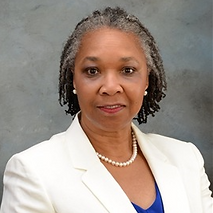
Velma McBride Murry, PhD, Lois Audrey Betts Endowed Chair, University Distinguished Professor, Departments of Health Policy and Human & Organizational Development, Vanderbilt University
"From Surviving to Thriving: Translating Science Into System-Level Change for Youth, Families, and Communities"
Overview: This presentation will highlight Dr. Murry's community-engaged research, which focuses on strengthening families and supporting healthy youth development, especially within rural and African American communities. It stresses the importance of culturally rooted, evidence-based prevention strategies. It will also highlight how genuine researcher–community partnerships are essential for addressing structural inequities, building trust, and creating sustainable solutions aligned with community-identified needs, values, and priorities.
Dr. McBride Murry’s research explores how context impacts the daily lives of African American families and youth. She studies how documented health disparities and social stressors cascade through families, affecting parenting, family dynamics, and health outcomes, including both mental and physical. Her work focuses on identifying effective intervention strategies at key developmental stages.

Rachel Winograd, PhD, Associate Professor and Director of Addiction Science, University of Missouri, St. Louis and the Missouri Institute of Mental Health
"Start with Service, Then Study What Sticks"
Overview: This presentation will describe a relationship-centered approach to community-engaged addiction research that begins by responding to communities’ immediate needs - through naloxone distribution, training, and other practical supports - rather than leading with research agendas. Using examples from practice and partnership development, the presentation will explore how trust, reciprocity, and sustained engagement can create the foundation for meaningful collaborations when research opportunities arise.
Rachel Winograd, PhD, is a licensed clinical psychologist, Associate Professor, and Director of Addiction Science at the University of Missouri–St. Louis. Her work - spanning clinical care, research, program development, and advocacy - is supported by a range of federal, state, and foundation funders and centers on interventions to save and improve the lives of people who use drugs. Dr. Winograd and her team partner with organizations across Missouri to distribute naloxone and other life-saving supplies, build capacity within community settings, increase knowledge and receptivity to evidence-based interventions, and rigorously study both implementation and impact, as well as the broader forces shaping substance use outcomes. Substantively, their work focuses on preventing overdose deaths and drug-related harm while expanding access to critical medications, innovative service delivery methods, and person-centered approaches to care across St. Louis, Missouri, and beyond.

Liliana Miranda, CHW, Program Coordinator, University of New Mexico, Collegiate Recovery Center (CRC)
"Strengthening Prevention Through Community Engagement: Expanding Access, Connection, and Recovery"
Overview: This presentation highlights how substance use often begins not in crisis, but in moments where people lack connection, support, and accessible information. Drawing from lived experience and community-based practice, it underscores how culturally responsive engagement and language access strengthen prevention efforts, particularly in systems where addiction does not discriminate, but access to recovery does.
Liliana “Lily” Miranda is a Community Health Worker and a Master of Public Administration student at the University of New Mexico. She serves as the Program Coordinator for the UNM Collegiate Recovery Center, where she develops and implements culturally responsive, harm reduction–focused programming to support students in recovery. As a first-generation Latina and person in recovery, her work is grounded in lived experience and a commitment to advancing equitable access to behavioral health services. Lily has contributed to coalition-building efforts across community and academic settings, supported direct care agencies, and advanced advocacy to expand Spanish-language access by translating and adapting behavioral health trainings. Her work focuses on bridging community-informed approaches with evidence-based strategies to strengthen prevention, improve engagement, and ensure recovery support systems are accessible, culturally responsive, and sustainable.
Part VI – The Aftermath: A Whole of Society Approach
to Substance Use
.jpg)
Opening Remarks
Patrick J. Kennedy, former U.S. Representative (D-RI), is one of the nation’s leading voices on mental health and addiction policy. During 16 years in Congress, he fought to end discrimination against people with mental illness and addiction and served as the lead sponsor of the landmark Mental Health Parity and Addiction Equity Act of 2008, which established federal protections requiring equitable insurance coverage for mental health and substance use disorders.
Since leaving Congress, Kennedy has continued to shape the national conversation on mental health and addiction. He founded The Kennedy Forum to advance systemic transformation in mental health and addiction care, co-founded One Mind to increase investment in brain research, and served on the President’s Commission on Combating Drug Addiction and the Opioid Crisis. He has also helped develop a national strategy for mental health and substance use disorders aimed at building a more coordinated, evidence-based system of care.

Introductory Speaker
A. Thomas McLellan, PhD is Co-Founder and Chairman of the Board of the Treatment Research Institute and a nationally recognized leader in addiction science, treatment, and public policy. From 2009–2010, he served as Science Advisor and Deputy Director of the White House Office of National Drug Control Policy (ONDCP), a congressionally confirmed presidential appointment, where he helped shape the President's National Drug Control Strategy and advance evidence-based approaches to addressing substance use and addiction.
Over a career spanning more than 35 years, Dr. McLellan has helped translate addiction research into effective policy and practice. He co-developed the Addiction Severity Index (ASI) and Treatment Services Review (TSR), two of the field’s most widely used assessment tools; published more than 400 scientific articles and book chapters; and advised U.S. and international government agencies and public health organizations, including the World Health Organization. His decades of advancing science-informed approaches to addiction and strengthening the role of research in public policy have made him a leading voice on protecting the nation’s addiction research enterprise.

Nancy Mannix, Chair and Patron, Palix Foundation
"The Resilience Scale in Action: From Awareness to Implementation"
Overview: The Palix Foundation, through the Alberta Family Wellness Initiative, advances the science of brain development to improve long-term outcomes for individuals, families, and communities. This session introduces the Brain Story and Resilience Scale Framework, translating decades of research into practical tools that can be embedded across sectors. By building a common language and common knowledge of brain development, this approach supports system transformation—shifting practice and policy to address root causes rather than symptoms.
Nancy Mannix is the Chair and Patron of the Palix Foundation, a private foundation whose philanthropy aims to improve the health and wellness outcomes of children and families. The Foundation, through the Alberta Family Wellness Initiative, focuses on aligning science, policy, and practice in areas of brain development and its implications for child development, mental health, addiction, and other disease and disorders, generating changes at an individual, organizational and systems level.
Nancy's exceptional work with the Palix Foundation has garnered a number of prestigious awards, including the 2015 Canadian Medical Association Award for Excellence in Health Promotion; the 2014 Lieutenant Governor of Alberta's Circle on Mental Health and Addiction True Leadership Award; the 2013 Certificate of Special Recognition by the Canadian Academy of Child and Adolescent Psychiatry; the 2012 Queen Elizabeth II Diamond Jubilee medal; the 2010-2011 President's Award from the Canadian Mental Health Association; and the 2006 Medal for Exceptional Contribution for Early Childhood Development by the Centre of Excellence for Early Childhood Development.
She has a history of service on boards for organizations such as Alberta Innovates-Health Solutions, the Alberta Heritage Foundation for Medical Research, and the Alberta Bone and Joint Health Institute. Throughout her career in the charitable sector, Nancy has been involved with several organizations, including the Calgary Health Trust and the Canada West Foundation. Recently, she contributed to understanding the impact of COVID-19 on children and youth as a member of the Child and Youth Well- being Review panel.